Making Space for Small Creators in a Gaming Showcase
A fictional community showcase uses a consistent submission card so small projects…
 PK1Win Daily (Demo)
Truth • Integrity • Excellence

A fictional community showcase uses a consistent submission card so small projects can explain their central idea without a large promotional budget.
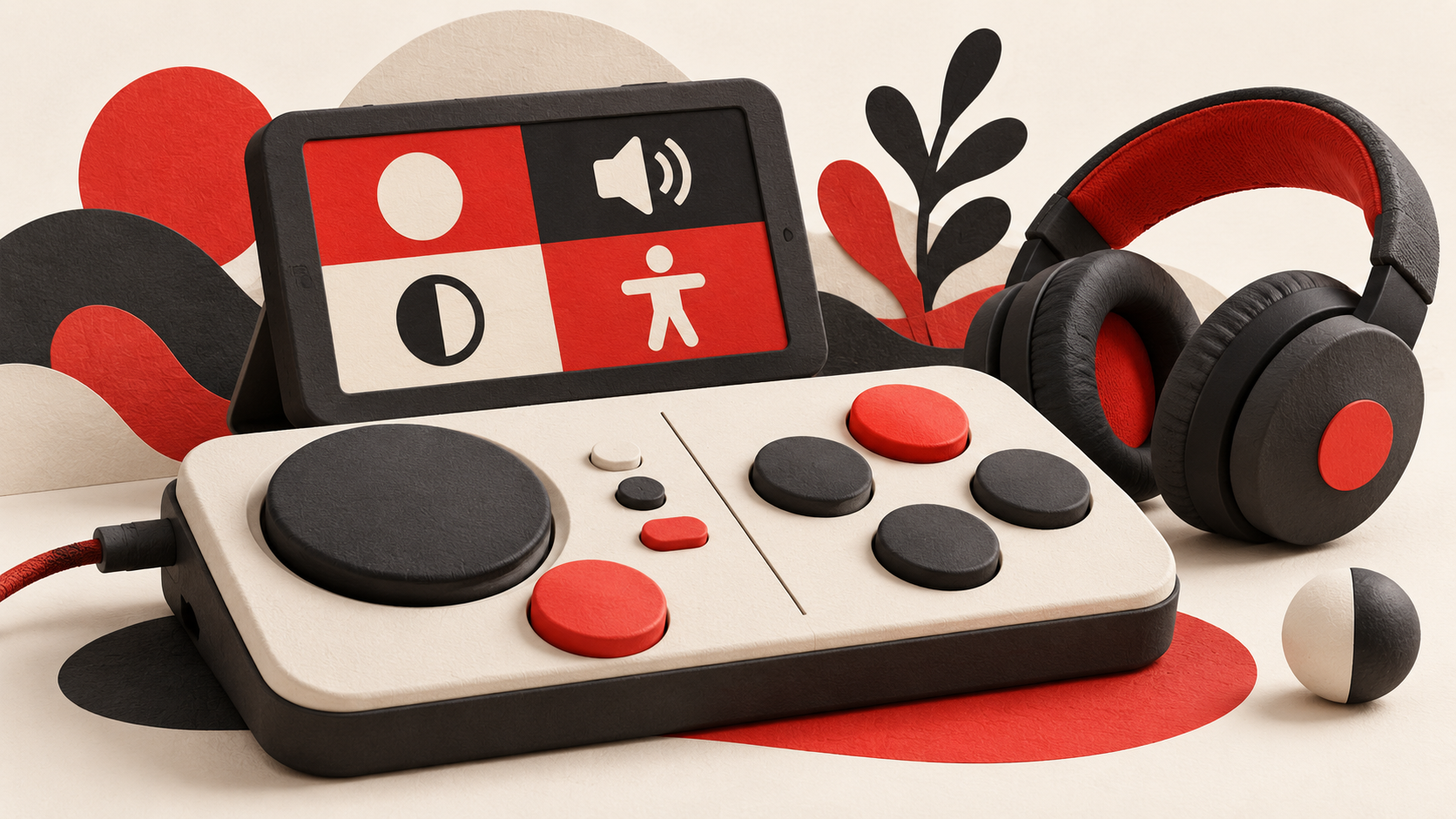
A fictional sound-settings panel separates dialogue, effects and voice chat, with a preview that makes each adjustment easier to understand.

A sample community announcement separates the rule being changed, the reason for the change and the point when the new wording begins to apply.

A fictional group agrees on a start time, a pause between rounds and a clear finish so that a shared gaming evening remains easy to organise.

A fictional support form asks players for the activity, time and visible message when a session disconnects, avoiding unnecessary personal information.
A fictional community showcase uses a consistent submission card so small projects…
A fictional sound-settings panel separates dialogue, effects and voice chat, with a…
A sample community announcement separates the rule being changed, the reason for…
A fictional group agrees on a start time, a pause between rounds…
A sample community announcement separates the rule being changed, the reason for the change and the point when the new wording begins to apply.
A fictional local gaming group writes spectator rules that separate watching, commentary…
A demonstration welcome flow introduces communication tools, match expectations and a low-pressure…
A sample multiplayer group considers which decisions suit a player poll and…
A fictional game community tests an appeal form built around the decision,…
A fictional community showcase uses a consistent submission card so small projects can explain their central idea without a large promotional budget.
A fictional sound-settings panel separates dialogue, effects and voice chat, with a preview that makes each adjustment easier to understand.
A fictional support form asks players for the activity, time and visible message when a session disconnects, avoiding unnecessary personal information.
A fictional mobile layout exercise tests whether a player can distinguish the objective, the next action and supporting information without enlarging the screen.
A fictional multiplayer prototype shows compatible session choices before an invitation is sent, so friends can understand why a particular lobby is available.
A fictional prototype groups its display, sound and input options around player needs, with short explanations and a simple way to restore a previous choice.
A fictional household plans its online gaming session by checking updates, choosing a suitable room and agreeing when large background transfers will run.
A fictional match report separates the event setup, the turning…
A fictional squad uses a short review to discuss one…
A fictional event page pairs a simple match list with…
A fictional team spends a practice session on a single…
A fictional group agrees on a start time, a pause between rounds and a clear finish so that a shared gaming evening remains easy to organise.
A fictional community showcase uses a consistent submission card so small projects can explain their central idea without a large promotional budget.
A fictional sound-settings panel separates dialogue, effects and voice chat, with a preview that makes each adjustment easier to understand.
A sample community announcement separates the rule being changed, the reason for the change and the point when the new wording begins to apply.
A fictional group agrees on a start time, a pause between rounds and a clear finish so that a shared gaming evening remains easy to organise.
A fictional support form asks players for the activity, time and visible message when a session disconnects, avoiding unnecessary personal information.
A fictional match report separates the event setup, the turning point and the confirmed outcome, while keeping invented teams clearly within a demonstration.
A fictional local gaming group writes spectator rules that separate watching, commentary and player communication during a friendly competition.
A fictional online game team compares a predictable maintenance notice with a vague announcement, focusing on what players need to plan a session.
A fictional squad uses a short review to discuss one choice, the information behind it and a practical adjustment for the next session.